Excavation contractor in Metro Vancouver: Every dig startswith what’sunderneath.

Basement digs, site prep, service trenches, drainage and demolition across Metro Vancouver. We locate every line, protect the lot next door, and leave compacted ground ready for the next trade.

Scope your dig

A free site visit and a written, fixed-scope quote. Two questions to start.

Or call 604-123-7669

  • 3 daysBC 1 Call locates filed before we dig
  • 1.2 mPast this depth, walls get sloped, benched or shored
  • FixedWritten scope and price before we start
  • TicketedEvery load of soil traced to where it went

Digging, draining & grading lots in

VancouverRichmondBurnabyNew WestminsterNorth VancouverWest VancouverCoquitlamPort CoquitlamPort MoodySurreyWhite RockDeltaLangleyMaple Ridge

About Excavation Company

Under every lot there’s a gas line someone forgot, a clay layer that holds water, and a neighbour’s footing closer than the drawings say. We find those things before the bucket does. Then we dig to the inch, keep the site tidy, and leave ground you can build on.

Machines sized to the lot

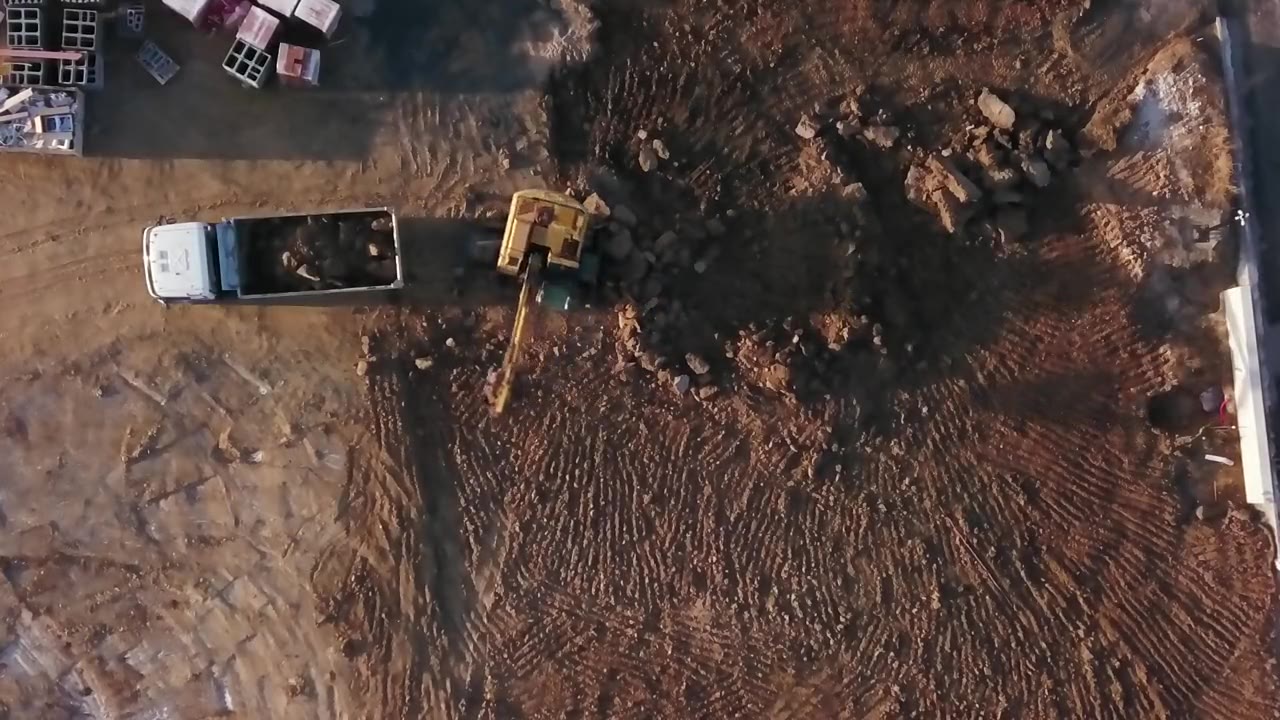
Mini excavators for side yards and backyards with no lane, mid-size machines for full basements, and skid steers, compactors and tandem trucks to move the material out.

Locates, permits and paperwork first

Utility locates, tree protection, soil permits and street-use bookings are lined up before mobilization, so the crew never stands around waiting on a sign-off.

One crew from first cut to final grade

The same team digs, installs drainage, backfills in compacted lifts and grades, so nothing falls between two contractors.

Five kinds of dig.One crew for allof them.

From a strip of topsoil to a three-metre basement, every service below is quoted from a site visit, cut to grade, and finished with backfill and clean-up included.

Typical depth0.3 m
  1. Site prep & clearing

    Typical depth: 0.3 mTypical strip: the topsoil layer

    We clear and grub the lot, strip and stockpile topsoil for reuse, cut a gravel construction entrance and rough-grade the pad. Silt fencing and catch-basin protection go in on day one.

  2. Basements & foundations

    Typical depth: 2.4–3 mA full-height basement, to the underside of the footing

    Bulk digs for new homes, laneway houses and additions. We cut to the surveyor’s stakes, protect neighbouring footings and trees, and work to the engineer’s shoring or benching plan wherever it applies.

  3. Trenching & service lines

    Typical depth: 1–1.8 mWater, sewer and storm, from property line to the house

    New and replacement water, sanitary and storm services, plus conduit trenches for power and communications. We coordinate the city tie-in, bed the pipe properly and leave the trench ready for inspection.

  4. Drainage & drain tile

    Typical depth: FootingPerimeter drains sit at the base of the foundation

    Replacement perimeter drain tile on older homes, French drains, sumps and rock pits, with the yard regraded so water runs away from the house instead of toward it.

  5. Demolition & haul-away

    Typical depth: Slab outStructures, slabs and footings removed down to native soil

    Garages, sheds, decks, slabs, old driveways and footings. Concrete and asphalt are broken with a hydraulic hammer, sorted, and hauled to recycling, with disposal tickets for your records.

From first callto final grade.

Five steps, the same on every job. The paperwork happens before the machines arrive, so dig days are about digging.

  1. Site visit

    We walk the lot with you: access width, overhead lines, trees, neighbouring footings, where the trucks can stand. Photos and measurements go into the quote.

  2. Written scope

    A fixed-scope quote lists depth, volumes, export, backfill and grading line by line. You know what’s included before anything is booked.

  3. Locates & permits

    We file the BC 1 Call request, bring in a private locator for lines on your side of the property line, and book soil, tree and street-use permits where needed.

  4. Dig days

    Spoil is kept back from the edge, walls are made safe as the cut gets deeper, and the street is swept at the end of every day.

  5. Backfill & handover

    Backfill goes back in compacted lifts, the site is graded to plan, and you get the dig report with load tickets and photos.

A dig report, notjust an invoice.

At handover you get a record of the job: the locate ticket, what was marked, how deep we went, how much soil left and where it went, and how the backfill was placed. It’s the file your engineer, inspector or buyer will ask for.

Dig reportLaneway house · Burnaby, BC
Sample
Locate ticket
Filed 3 business days ahead
Lines marked
Gas · water · comms
Soil exported
212 m³ · 19 loads
Backfill
300 mm lifts, compacted
Day 2 · 9:40 a.m.
Handover · 3:15 p.m.
19 load tickets attached · sent to the owner and engineer

Two ways to pricea dig. Both inwriting.

Dirt work goes over budget when the scope is vague. So we write it down: what gets dug, how deep, where the soil goes, and what happens if the ground surprises us.

Machine & operator

For small or open-ended jobs.

For a stump, a short trench, a slab or a day of grading, you book a machine and an operator by the hour. It’s billed from a daily time sheet, and once the job takes shape you can switch to a fixed scope.

  • Mini excavator, skid steer or full-size machine with an operator
  • Half-day minimum, then billed in quarter hours
  • Trucking and disposal billed per load, tickets attached
  • Time sheet emailed at the end of each day
Book machine time

What builders noticeafter one dig with us.

Locates before anything moves
Public lines come from BC 1 Call; private lines on your property get a separate locator. Near a marked line, we expose it by hand or with a vacuum truck before any machine digs.
Neighbours protected
Tree protection fencing, shoring or benching beside adjacent footings, and trucks staged so driveways and lanes stay open.
Soil you can trace
Every load leaving the site is ticketed to an approved receiving site. If an inspector or buyer asks, the paper trail is already in your dig report.
Clean at the end of every day
Streets swept, catch basins protected, edges flagged and machines parked off the road. The job looks the same at 6 p.m. as it did at 7 a.m.

One basement dig,from paint topacked fill.

Scroll through a typical three-metre basement next to an older house. This is the order every one of our digs follows, and why each step comes before the next.

TopsoilSilty clayGlacial tillDense gravelNeighbour1.2 mStreet side
Surface0.00 m0 loads out, ticketed

Step 1 of 5

  1. Locate

    BC 1 Call has the utilities marked in paint and flags: yellow for gas, blue for water, orange for communications. White paint outlines the cut. Nothing digs until every mark is checked.
  2. Strip topsoil

    The dark organic layer comes off first and is stockpiled on the lot for the landscaper. It can’t carry a footing, but it’s worth keeping.

  3. Excavate

    We dig to the surveyor’s grade, checking depth against a laser as we go. Spoil sits at least 1.2 m back from the edge, and any marked line near the cut is exposed by hand first.

  4. Bench & shore

    Past 1.2 m, nobody steps in until the walls are safe. Open sides are benched back in steps, and beside the neighbour’s footing the engineer’s shoring holds the face.

  5. Backfill & compact

    Once the foundation and drain tile are in and inspected, drain rock and fill go back in 300 mm lifts, each one compacted before the next is placed.

Machines across theLower Mainland.

Crews and equipment move from our Richmond yard, Monday to Saturday. Lots on the North Shore slopes and in the Fraser Valley lowlands each get the machine their soil calls for.

  • Vancouver
  • Richmond
  • Burnaby
  • New Westminster
  • North Vancouver
  • West Vancouver
  • Coquitlam
  • Port Coquitlam
  • Port Moody
  • Surrey
  • White Rock
  • Delta
  • Langley
  • Maple Ridge
VancouverRichmondBurnabyNew WestminsterNorth VancouverWest VancouverCoquitlamPort CoquitlamPort MoodySurreyWhite RockDeltaLangleyMaple RidgeRings: 10, 20, 30 km from the yardYard & office3211 Grant McConachie Way, Richmond, BC V7B 0A4

Builders and ownerson the ground.

A dig gets judged twice: when the foundation crew shows up to a clean, true grade, and when the neighbour’s fence is still standing.

  • They found a gas service that wasn’t on any drawing, before the machine got near it. That alone paid for choosing them.
    Sandeep G.Custom home builder, Surrey
  • Our laneway house had a four-foot side yard. They walked a mini excavator in, dug the whole thing, and the neighbour’s hedge is still standing.
    Claire W.Homeowner, East Vancouver
  • The quote said what was included line by line. When they hit an old oil tank, we got a written price the same afternoon.
    Tom H.Homeowner, North Vancouver
  • Three buildings, new perimeter drains, and residents never lost access to the parkade. The load tickets went straight into our council binder.
    Angela M.Strata manager, Coquitlam
  • We use them for every site prep now. The pad is graded when they say it will be, and the street is clean when they leave.
    Rui F.Site superintendent, Langley

Questions,answered.

Still unsure about something? Call 604-123-7669 and you’ll talk to someone who has run a machine, not a call centre.

We do, at least three business days before digging. BC 1 Call only covers lines owned by the utilities, so we also bring in a private locator for lines on your side of the property line, like a feed to a garage or an irrigation main.

Tell us aboutthe ground.

Describe the project and we’ll book a free site visit, usually within a week. You get a written, fixed-scope quote afterward, with no obligation. Spring and summer calendars fill early.

Book a free site visit

Fields marked with an asterisk are required.

Machine access Optional
Timeline Optional
Pricing Optional
Anything on site we should know about? Optional

Photos help. Once you send this, reply to our confirmation email with pictures of the access and the area to dig.

We only use your details to plan your site visit and quote. No mailing lists.